Home Guides

Educational Guides on
Building Energy Design

Informational resources on the key technical topics in energy-efficient residential building design in Croatia — written to be useful regardless of whether you engage our consulting services.

Detailed solar path diagram showing sun angles across seasons for building orientation planning
Solar Orientation

Understanding Solar Path Calculations for Building Design

The sun's position in the sky changes with season and time of day. For building design in Croatia, understanding these changes allows architects to position windows, overhangs, and living spaces in ways that use solar energy passively — reducing the load on mechanical heating and cooling systems. This guide explains how solar path data is calculated, what it means for building orientation decisions, and how shading from neighbouring structures is accounted for in the analysis.
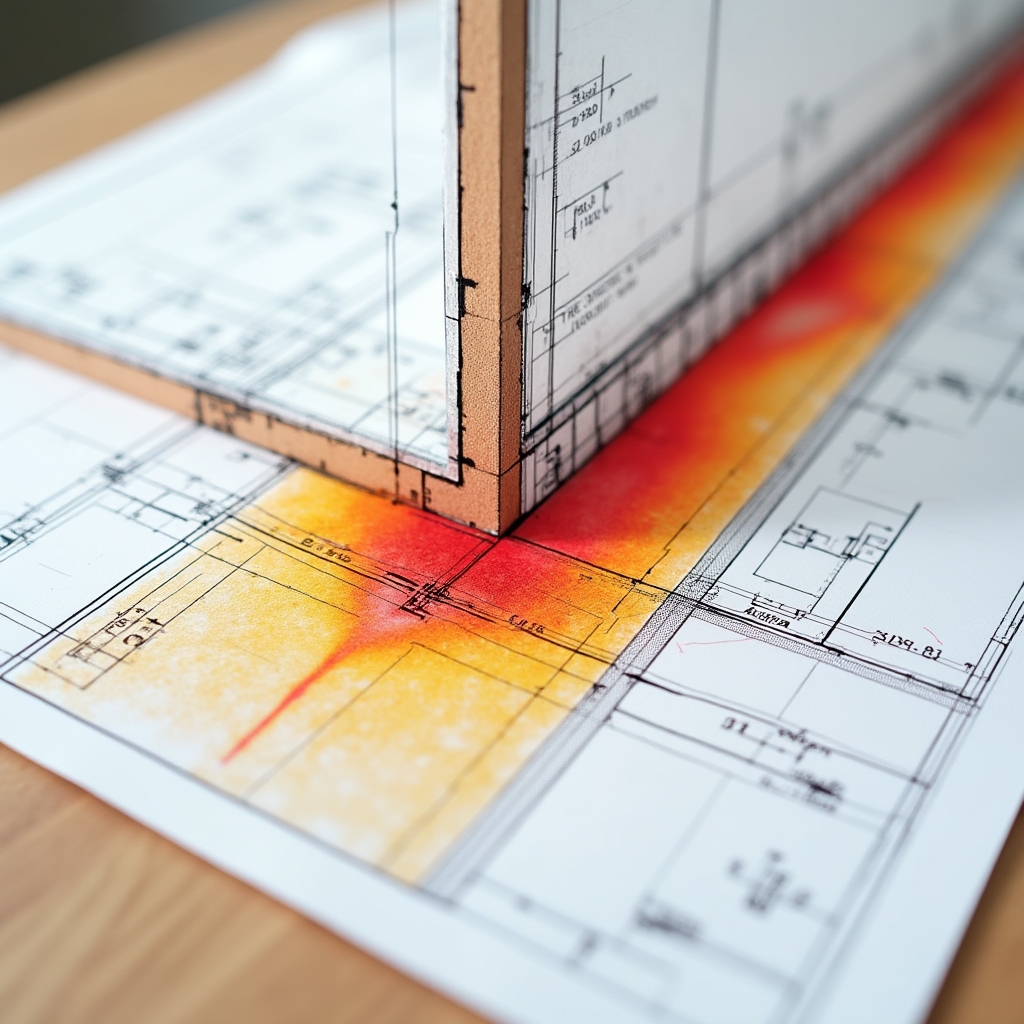
Technical cross-section drawing showing thermal bridge locations in a wall-floor junction of a residential building
Thermal Insulation

Thermal Bridges: What They Are and Why They Matter

A thermal bridge is a part of the building envelope where heat flows more readily than through the surrounding insulated area. Common locations include wall-to-floor junctions, balcony connections, window reveals, and structural elements that penetrate the insulation layer. Thermal bridges can significantly increase a building's heat loss even when the main insulation layers are well-dimensioned. This guide describes how thermal bridges are identified, quantified, and addressed in the design phase of a new building.

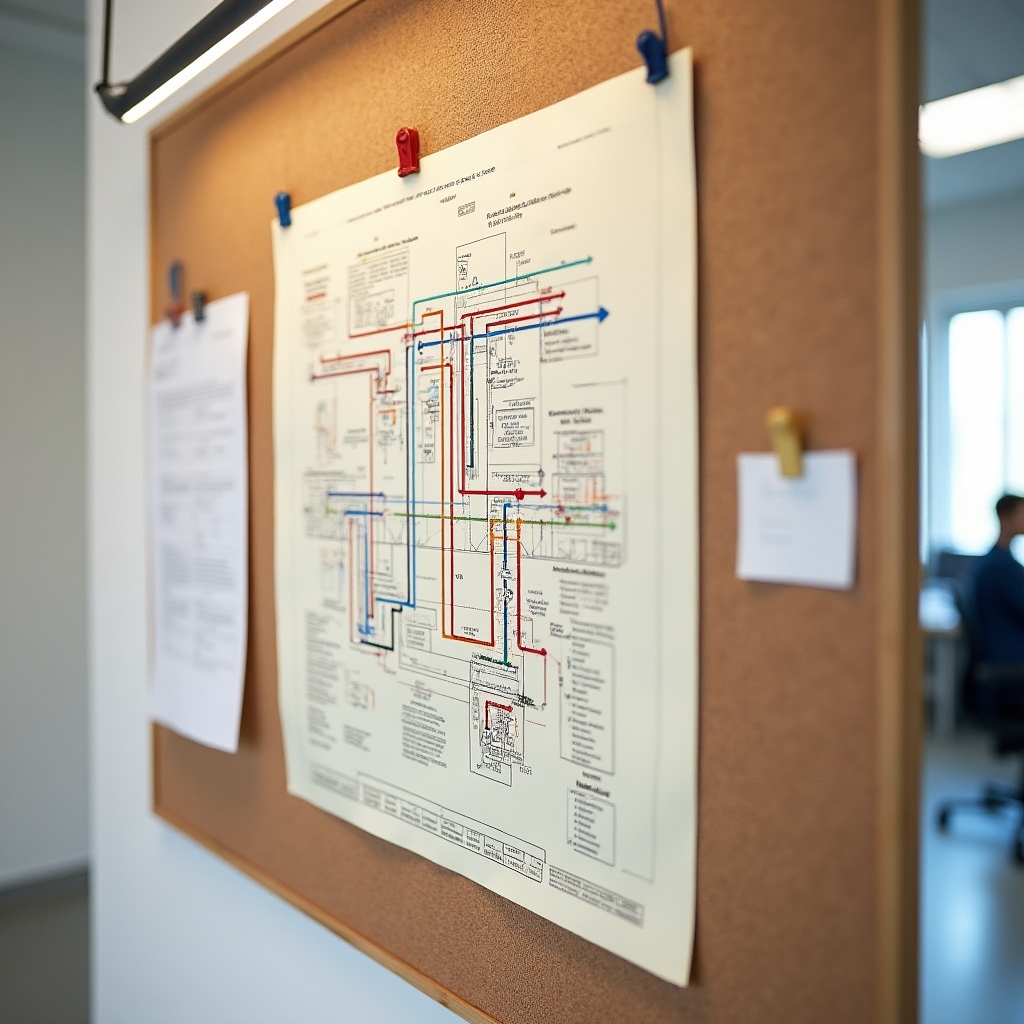
Technical diagram of an air-to-water heat pump system connected to underfloor heating in a residential building
Heating & Cooling

Heat Pumps in Croatian Residential Buildings: A Technical Overview

Heat pumps extract thermal energy from outdoor air, ground, or water and transfer it into the building for heating — or reverse the process for cooling. Their efficiency depends on the temperature difference between the heat source and the heating system. In well-insulated buildings with low-temperature distribution systems such as underfloor heating, heat pumps can operate at high efficiency levels. This guide explains the different heat pump types available, how they are sized for a specific building, and the factors that affect their operating efficiency in the Croatian climate.

Overview of EU energy fund documents and application materials laid out on a professional desk
EU Funding

EU Energy Funds for Residential Construction in Croatia: An Overview

Croatia has access to several EU funding mechanisms that can support energy-efficient residential construction and renovation. These include funds channelled through the National Recovery and Resilience Plan, cohesion fund programmes, and specific energy renovation schemes. Each fund has its own eligibility criteria, application procedures, and technical documentation requirements. This guide describes the main fund categories available to Croatian residential building projects, the types of technical documentation typically required, and the relationship between a building's energy class and fund eligibility.

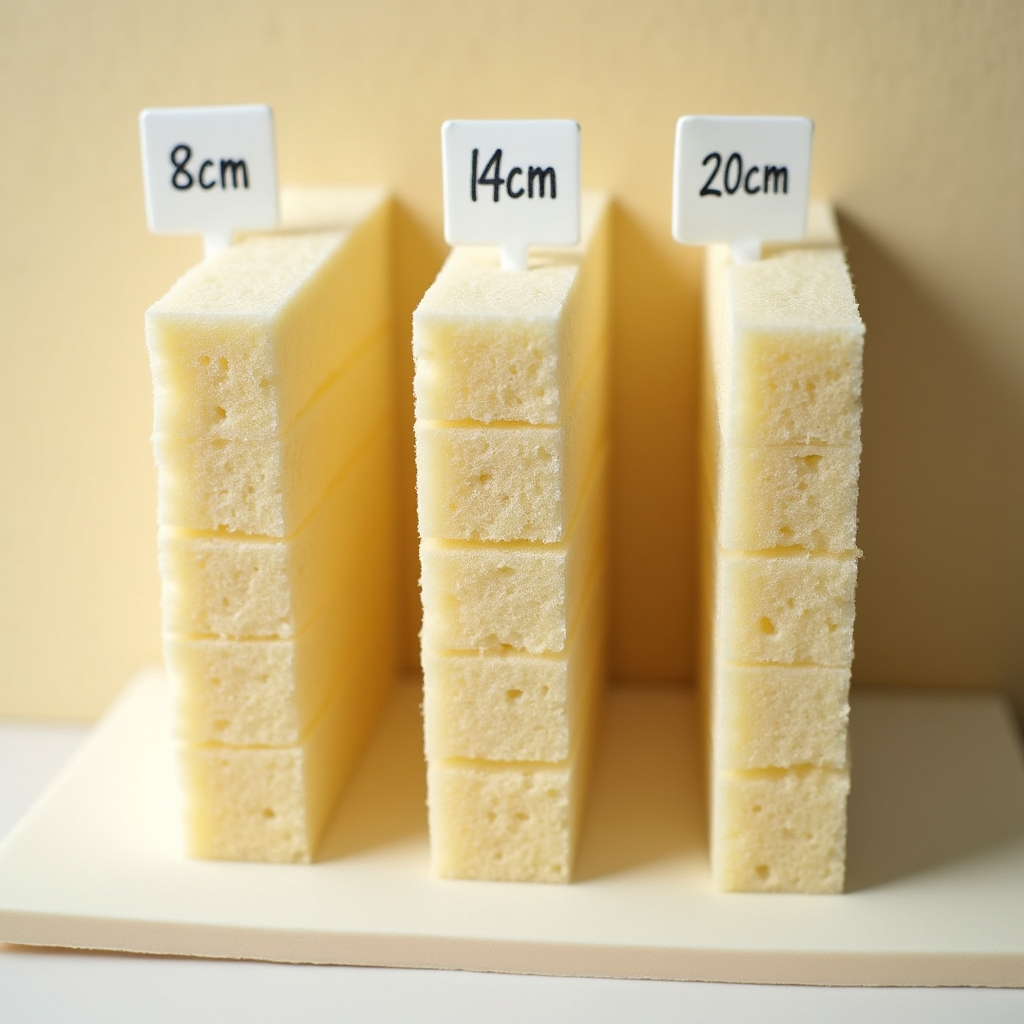
Side-by-side comparison of different insulation thickness layers in a residential wall cross-section
Insulation Design

How Insulation Thickness Is Determined: Beyond the Legal Minimum

Croatian building regulations set minimum insulation requirements for new residential buildings. These minimums are designed to ensure a basic level of energy performance, but they are not necessarily the economically optimal specification for a given building. The optimal insulation thickness depends on the building's location, the cost of the insulation material, projected energy prices, and the building's expected service life. This guide explains the calculation methodology used to find the economically optimal insulation thickness and how the results change under different input assumptions.

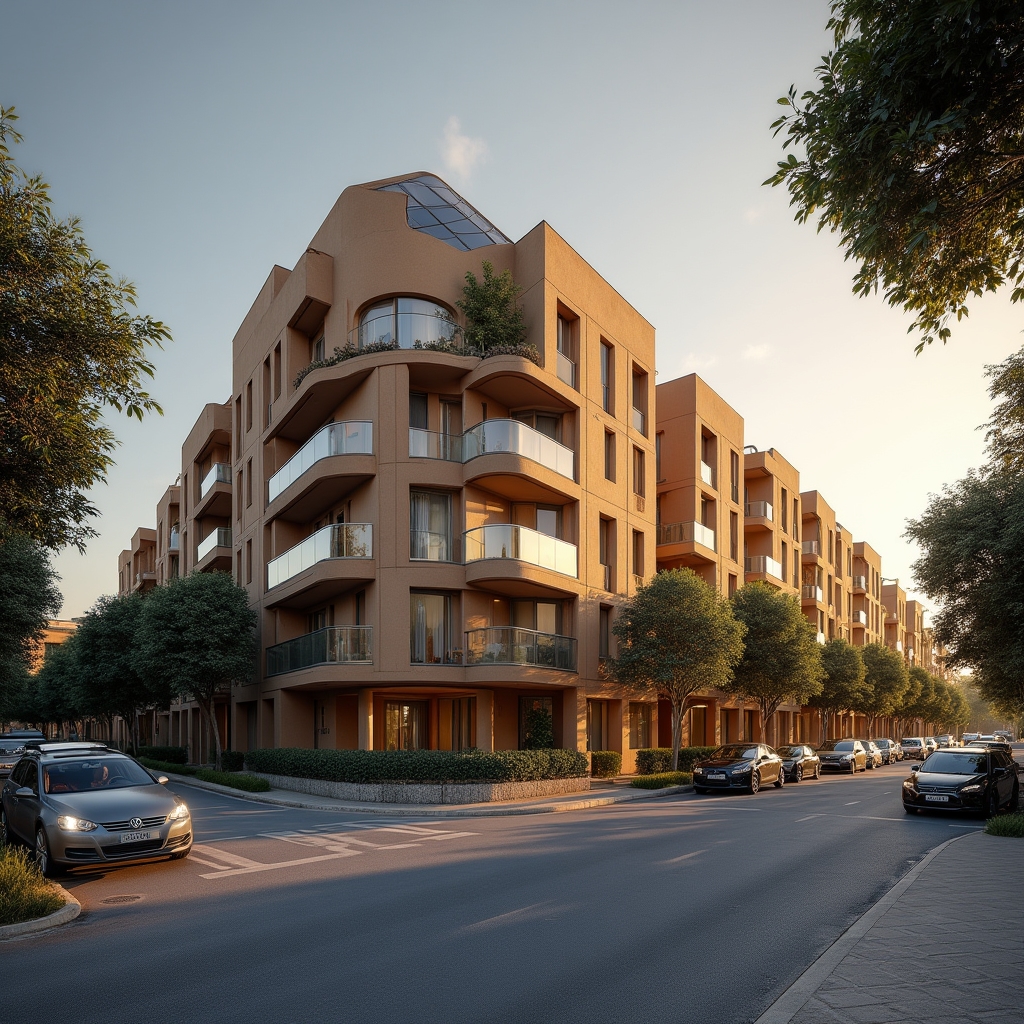
Wide angle view of a modern residential building development project in Croatia with surrounding landscape
Collective Investment

Energy Documentation for Collectively Financed Residential Projects

Residential buildings financed through collective investment pools — where multiple investors contribute to the development cost — have specific documentation needs that differ from single-owner projects. Investors need to understand the projected operating costs of the building, the energy class certification, and how the energy design decisions affect the long-term value of their investment. This guide describes what energy documentation is relevant for collectively financed projects, how it is structured to be useful for non-technical investors, and how it relates to the technical documentation required for regulatory compliance.

Questions About Your Project?

These guides provide general information about the topics we work with. For analysis specific to your project's location, design, and requirements, contact us to discuss how our consulting scope applies.