Buildings That
Perform and
Endure
Independent technical consulting for energy-efficient design of new residential buildings financed through collective investment in Croatia. We analyse, calculate, and document — we do not sell equipment or energy.
Four Pillars of Energy Consulting
Each service addresses a distinct phase of the design process, from the first sketch to the final EU funding application.
Solar Orientation Analysis
We map sun angles across all seasons for your specific plot coordinates, identifying façade orientations that maximise passive solar gain in winter while limiting overheating in summer. The result is a data-backed orientation report used directly in architectural design.
Thermal Insulation Sizing
Croatian building regulations set a minimum — we calculate the economically optimal insulation thickness above that minimum, balancing upfront material cost against long-term energy savings over the building's projected lifespan. Every centimetre is justified by numbers.
Heating & Cooling System Selection
We evaluate heat pumps, district heating connections, mechanical ventilation with heat recovery, and hybrid configurations — scoring each option by investment cost, operating cost, maintenance burden, and compatibility with the building's thermal envelope.
EU Fund Documentation
We prepare the technical dossiers required for applications to EU cohesion and energy renovation funds available to Croatian residential projects, including energy performance certificates, feasibility annexes, and technical specifications aligned with fund criteria.
 Solar Analysis
Reading the Sun Before Breaking Ground
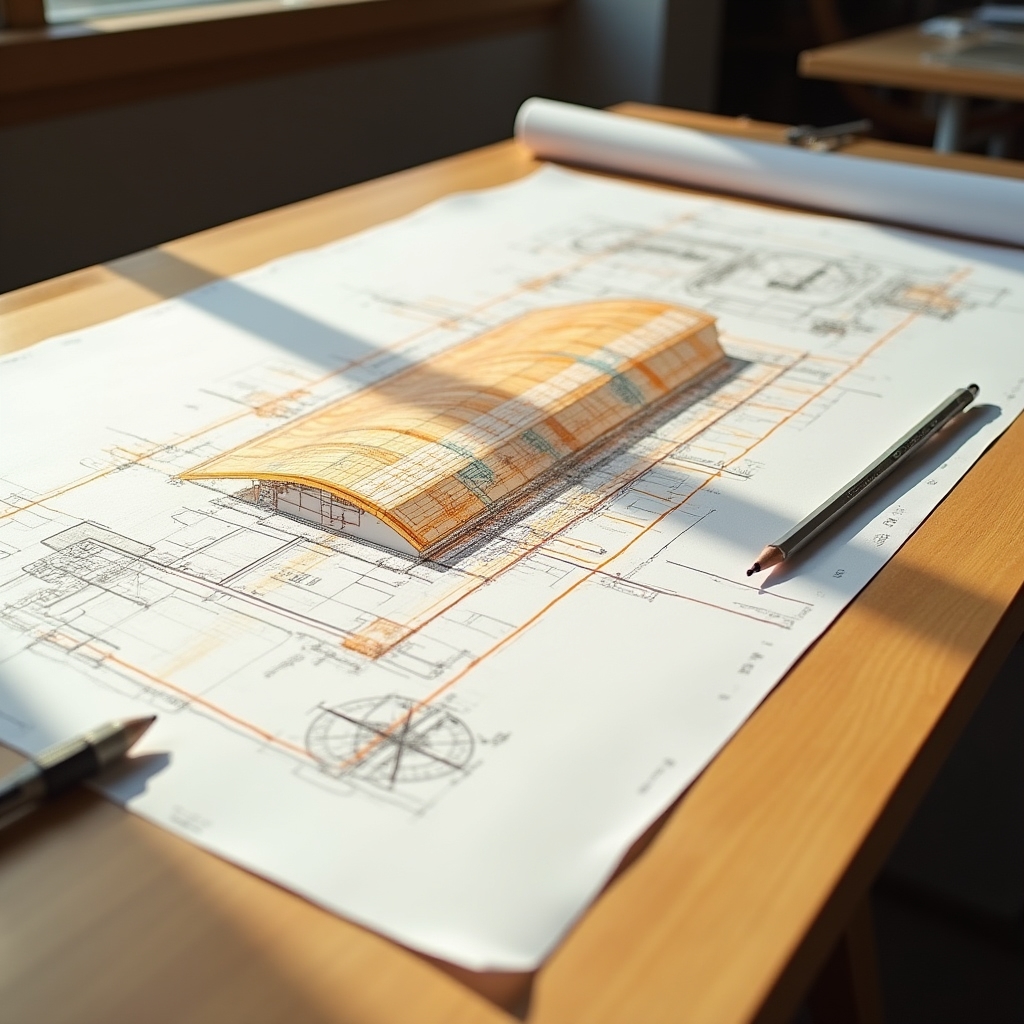
The orientation of a building on its plot is one of the few decisions that cannot be corrected after construction. A south-facing living space with correctly sized roof overhangs can meaningfully reduce heating demand in winter and cooling demand in summer — without any mechanical system.
- Plot-specific solar path calculations for your GPS coordinates
- Shading analysis from neighbouring structures and terrain
- Recommendations for window-to-wall ratios per façade
- Integration with architectural concept drawings
 Above Minimum
Insulation That Pays for Itself Over Time
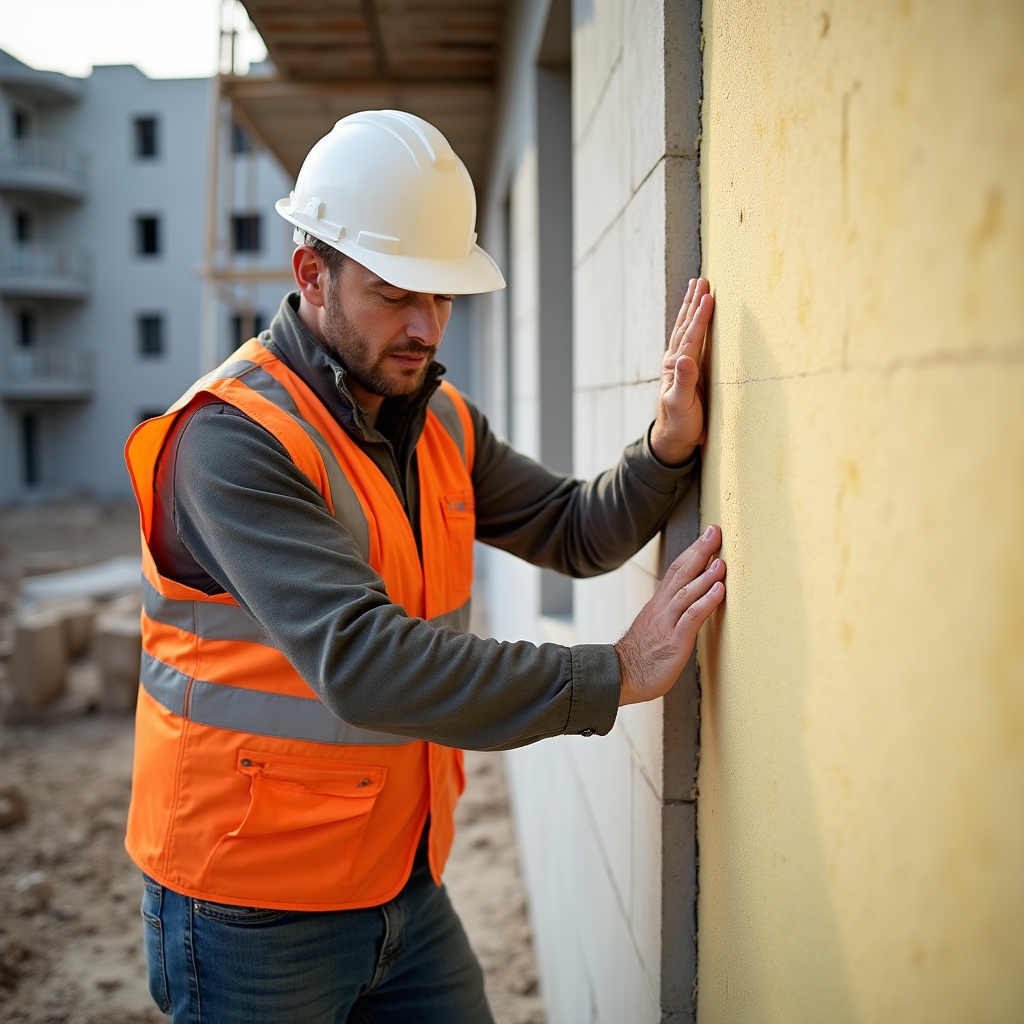
The legal minimum insulation thickness in Croatia represents a baseline, not an optimum. Our calculation methodology compares the additional material cost of each extra centimetre of insulation against the projected energy savings across the building's service life, accounting for energy price trends and maintenance intervals.
- U-value calculations for walls, roof, floor, and windows
- Thermal bridge identification and mitigation design
- Material comparison across insulation types and manufacturers
- Payback period modelling for each envelope component

Initial Site & Project Review
We begin by reviewing the plot survey, local zoning conditions, and the preliminary architectural concept. This stage establishes the physical constraints — orientation range, shading objects, and allowed building envelope dimensions — that shape all subsequent calculations.
Energy Modelling
Using the plot and design data, we build a thermal model of the proposed building. This model calculates heating and cooling loads for each design variant, allowing us to compare the energy performance of different insulation levels, glazing ratios, and orientation choices side by side.
System Evaluation & Recommendation Report
With load calculations complete, we evaluate heating and cooling system options against the building's specific demand profile. Each option is scored on installation cost, operating cost, and maintenance requirements. The output is a structured recommendation report — not a sales pitch, but a technical comparison.
EU Fund Application Package
For projects seeking EU energy renovation or construction funding, we compile the technical documentation package required by the relevant fund criteria. This includes energy performance calculations, technical specifications, and annexes formatted to match current application requirements for Croatian programmes.
Independent Advice, No Conflicts
Because we neither install equipment nor sell energy, our analysis is shaped entirely by technical merit and your project's economics.
Vendor-Neutral Analysis
Our system comparisons are not influenced by supplier relationships or commission structures. We evaluate equipment categories, not specific brands, and present the technical trade-offs transparently.
Collective Investment Context
New residential buildings financed through collective investor pools have specific requirements around cost transparency and return projections. Our documentation is structured to support these needs from the first design phase.
Regulatory Alignment
Croatian building energy regulations, EU Energy Performance of Buildings Directive requirements, and fund eligibility criteria are built into our methodology — so the documentation we produce is ready for submission without additional reformatting.
Transparent Methodology
Every calculation we deliver includes the input assumptions, data sources, and calculation standards used. You receive a document you can hand to any other engineer for review — not a black-box output.
Discuss Your Project
Whether you are in the early concept stage or approaching detailed design, a conversation about energy strategy costs nothing and can shape decisions that are difficult to reverse later.